
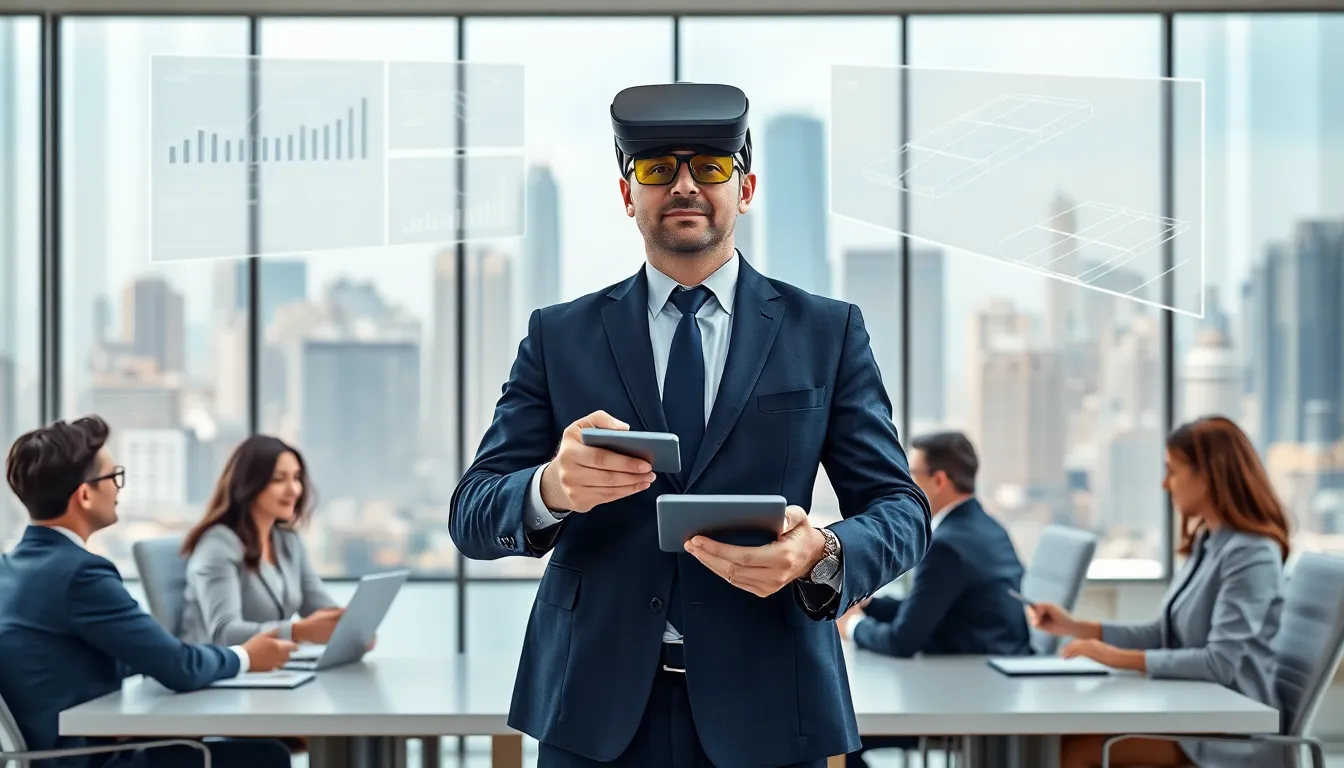
In the realm of technology, two buzzwords often spark confusion: mixed reality and augmented reality. It’s as if they’re siblings in a tech family that just can’t seem to get along. One dazzles with overlays of digital images, while the other integrates real and virtual worlds like they were made for each other. But, which one reigns supreme? Brace yourselves for a deep jump into the digital wonderland where pixels meet the physical world, sprinkled with a dash of wit to keep it light. Let’s sort out this tech family drama once and for all.
Understanding Mixed Reality
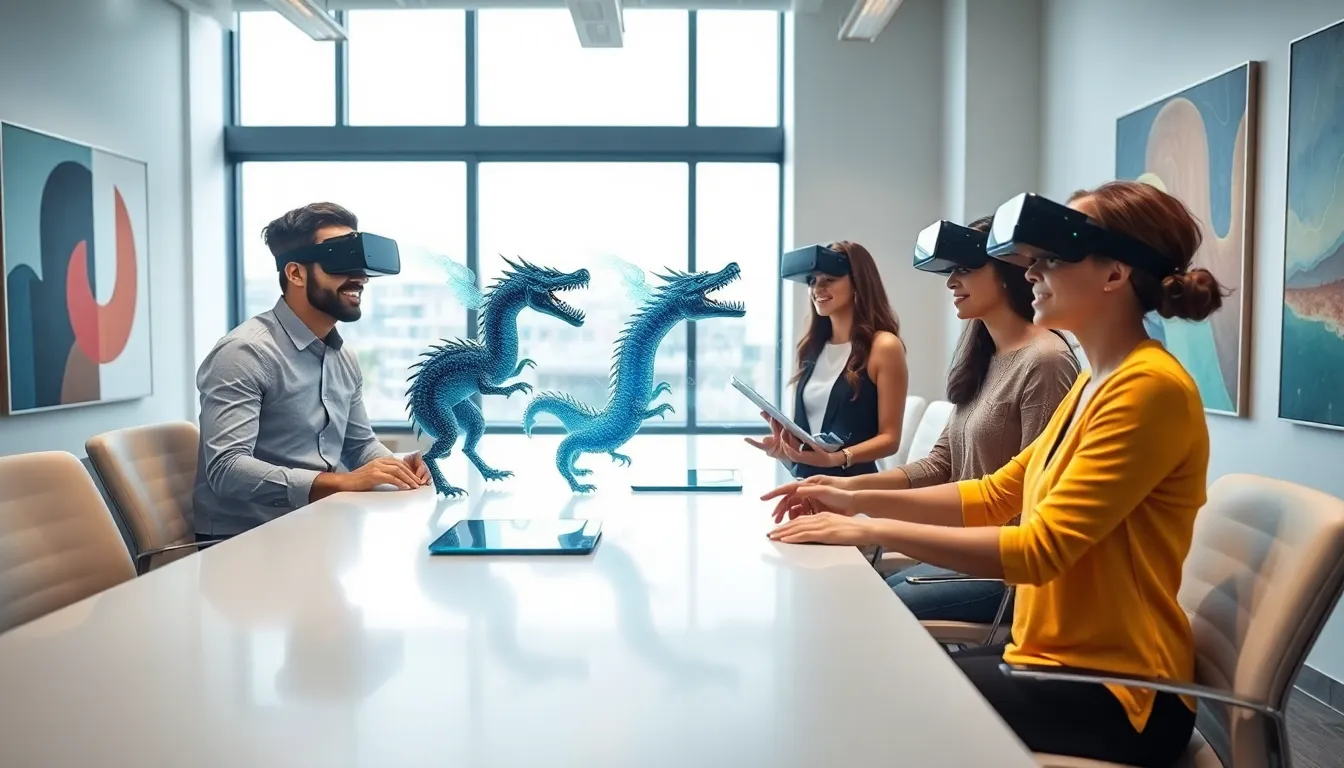
Mixed reality (MR) blends the physical and digital worlds in ways that make science fiction stories look like documentaries. Imagine enjoying a cup of coffee in your living room while simultaneously battling dragons that you can only see through your MR headset. It’s a seamless fusion where digital content not only overlays but interacts with the physical world.
Key Features of Mixed Reality
The standout feature of mixed reality is its ability to anchor digital elements in the real world. It utilizes sophisticated sensors and cameras, creating an experience that feels incredibly immersive. Users can manipulate virtual objects as if they exist in their physical surroundings. This isn’t just about seeing a hologram: it’s about touching, moving, and playing with it. Unlike augmented reality (AR), which merely adds to the existing environment, mixed reality allows for a two-way interaction that changes perspectives dynamically, providing depth and realism.
Applications of Mixed Reality
Mixed reality has carved a niche in various fields. In healthcare, surgeons can practice complex procedures with 3D models overlaying real patients. In education, students can conduct virtual chemistry experiments without risking an explosion (always a plus.). The entertainment industry, notably gaming, has also jumped on the bandwagon, think of the next level of immersive gaming experiences where players can physically move within their space while battling virtual foes.
Challenges in Mixed Reality
Even though its appeal, mixed reality is not without challenges. High costs for the necessary hardware can deter widespread adoption. Also, there’s a steep learning curve for developers to create sophisticated applications. Also, the need for spatial awareness complicates its use in crowded areas, as users could easily bump into real-world objects while focusing on their virtual quests.
Overview of Augmented Reality
Now, let’s pivot to augmented reality, the cooler cousin at the tech family reunion. Often confused with its flashy sibling MR, AR enhances the existing environment instead of merging it. Through smartphones and AR glasses, users can see digital overlays like directions on a map or fantastical creatures in their backyard without completely immersing themselves in a virtual landscape.
Key Features of Augmented Reality
Augmented reality shines in its simplicity and accessibility. It overlays digital information onto the real world, making it available on everyday devices. This technology is less involved than mixed reality but acts as a fantastic gateway for users new to the world of immersive experiences. Users can easily engage with augmented content while still being aware of their surroundings, making it practical for transportation, education, and retail.
Applications of Augmented Reality
AR finds its home in various sectors. Retail brands like IKEA use AR to allow customers to visualize how furniture fits in their home before making a purchase. Museums employ AR to deliver interactive exhibits, engaging visitors deeply with history and artifacts. Social media apps like Snapchat and Instagram use AR lenses that transform selfies into playful creations, making them perfect for casual users.
Limitations of Augmented Reality
But, augmented reality has its limitations. The technology can sometimes struggle with environmental understanding, leading to awkward overlays if the lighting or surfaces aren’t just right. Besides, AR experiences often depend on markers or specific conditions, which makes spontaneous use less reliable.
Comparative Analysis: Mixed Reality and Augmented Reality
When drawing comparisons between mixed reality and augmented reality, the debate shifts into high gear. While both technologies share the common ground of digital enhancement, their execution creates a distinct user experience.
Technological Differences
Mixed reality operates on a more advanced technological level, think of it as a supercharged version of augmented reality. MR requires specialized hardware, such as headsets that track physical environments, whereas AR can function seamlessly on devices like smartphones and tablets. This difference in technology leads to varied user experiences, with MR providing deeper interactivity and engagement compared to AR’s simpler overlays.
User Experience Differences
User experience sets the two apart dramatically. In mixed reality, users often wear headsets that provide a fully immersive experience. They can look around and interact with virtual elements as if they were genuinely there. In contrast, augmented reality users usually engage through handheld devices, limiting natural movement and interaction. This allows for a more accessible entry point, but it sacrifices some of that immersive quality that MR offers.
Future Trends in Mixed Reality and Augmented Reality
As we gaze into the crystal ball, the future of mixed reality and augmented reality appears bright and filled with possibilities. Innovations emerge continually, shaping how society interacts with technology.
Innovations on the Horizon
Future advancements in both mixed reality and augmented reality will likely focus on improving accessibility and affordability. Consider the potential integration of AI and machine learning to enhance user experience, allowing for better environment mapping and object recognition. Imagine a world where your glasses not only overlay information seamlessly but understand your context and preferences.
Potential Impact on Industries
Industries stand to gain tremendously from advancements in MR and AR. Training and education could revolutionize with realistic simulations that adapt to individual learning styles. Retail might shift towards fully immersive shopping experiences, where users can navigate virtual aisles in the comfort of their homes. From healthcare to gaming, the ripple effects of these technologies promise to transform how companies operate and how consumers engage with products.