

Imagine stepping into a world where digital content blends seamlessly with reality, sounds like magic, right? Welcome to the realm of augmented reality (AR) development. Picture developers wielding tech like wizardry, creating immersive experiences that can make everyday life a little more extraordinary. But what exactly does it take to become an augmented reality developer? Unraveling this thrilling profession not only sheds light on its essentials but also on the incredible potential it brings to various industries. So, buckle up as we dive headfirst into the captivating world of AR development.
What Is Augmented Reality Development?
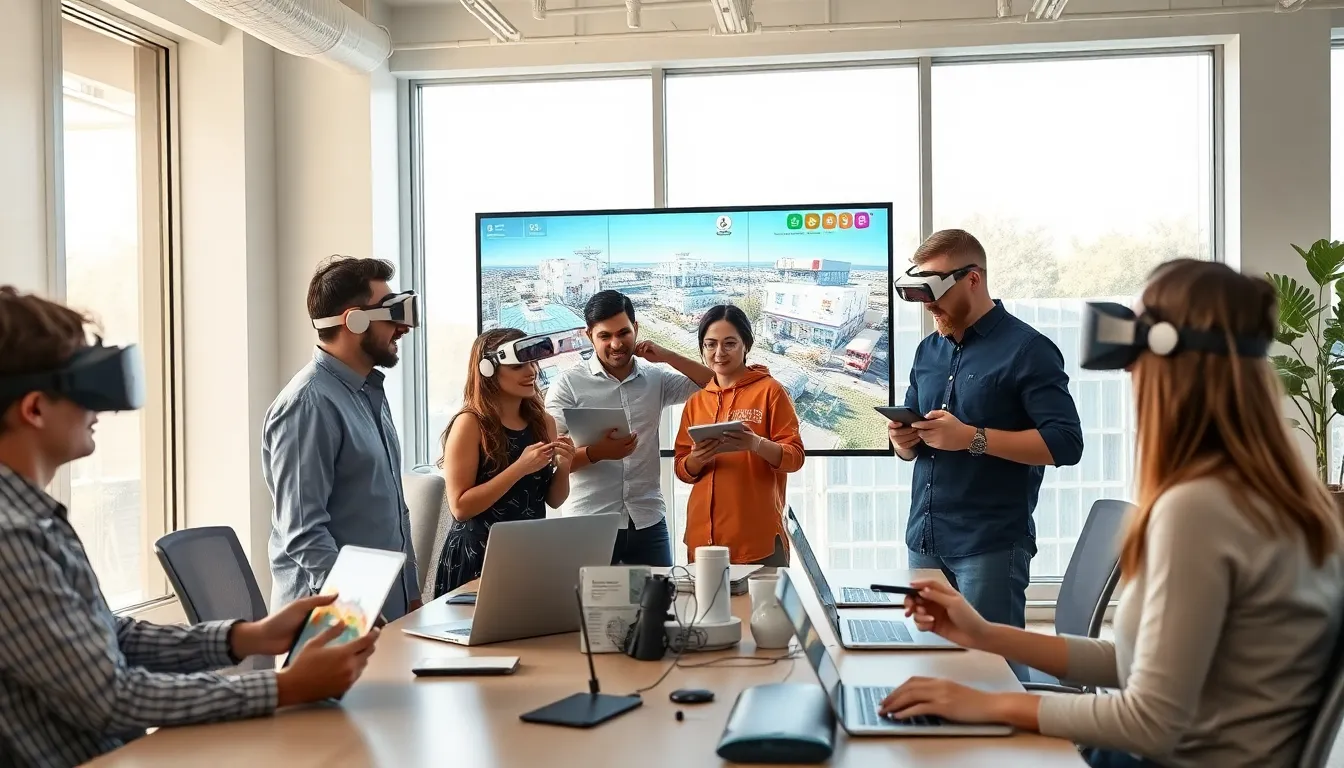
At its core, augmented reality development is about enhancing the real world with digital elements. Just think about how apps like Pokémon Go turned ordinary parks into Pokémon battlegrounds. Developers combine digital visuals and sounds with real environments, allowing users to interact in previously unimaginable ways. This captivating interplay can serve various purposes, from gaming to education, healthcare, and beyond. Essentially, AR developers craft experiences that encourage user engagement by bridging the gap between the physical and digital realms. As a result, they not only innovate but reshape how people perceive the world around them.
Key Skills and Technologies for AR Developers
To excel in the augmented reality field, developers need a robust skill set that blends creativity with technical prowess. Here’s a breakdown of the key skills essential for AR development:
- Programming Languages: Proficiency in languages like C#, Java, and Swift is critical. These languages form the backbone of many AR applications.
- 3D Modeling: Understanding 3D graphics is vital. Familiarity with tools like Blender or Autodesk Maya elevates an AR developer’s capabilities significantly.
- User Interface (UI) Design: A knack for designing user-friendly interfaces is essential. After all, users should enjoy the experience, not just interact with it.
- Computer Vision: AR relies heavily on machine learning and computer vision. Developers must grasp how cameras recognize and interpret objects in real-time.
- Unity or Unreal Engine: These game engines offer powerful AR development tools, enabling the creation of visually stunning experiences.
Having a blend of these skills allows AR developers to produce engaging, interactive applications that excite users while effectively solving real-world problems.
The Augmented Reality Development Process
The journey of developing an AR application can be broken down into several key stages:
1. Idea Generation
The first step always begins with a great idea. Developers need to define what problem their AR solution will solve and how it will engage users.
2. Research and Planning
Next, thorough research is imperative. Developers identify existing technologies, choose relevant development tools, and outline project timelines. This stage lays a crucial foundation for the development process.
3. Design
During this phase, the focus shifts to designing the user experience (UX) and user interface (UI). AR developers conceptualize how users will interact with the digital elements superimposed onto the real world. Engaging prototypes may emerge at this stage.
4. Development
Now comes the fun part, building the application. Developers begin coding the software, integrating 3D models, and implementing AR functionalities. Collaboration with designers is vital to ensure that the application aligns with the initial vision.
5. Testing
Before launching, extensive testing is essential. Developers need to ensure that everything functions smoothly, from object recognition to user interactions. This critical stage ensures users eventually have a seamless experience.
6. Deployment and Maintenance
Finally, after rigorous testing, the application is deployed. But, that’s not the end. Post-launch maintenance, updates, and user feedback are crucial to address any issues and improve the overall experience.
Popular Tools and Platforms for AR Development
Numerous tools and platforms empower AR developers to bring their ideas to life. Here are some of the most popular options:
- ARKit: Designed for iOS devices, Apple’s ARKit provides developers with robust capabilities to create AR experiences quickly and efficiently.
- ARCore: Google’s counterpart to ARKit, ARCore allows developers to build AR applications for Android devices using a similar framework.
- Vuforia: This platform specializes in image recognition, making it an excellent choice for those focused on marker-based AR experiences.
- Unity: As a versatile game engine, Unity offers numerous plugins and AR tools, enabling developers to create stunning visuals and immersive interactions easily.
- Blender: A free 3D modeling tool, Blender equips developers with the ability to create and animate 3D models crucial for AR applications.
- Unreal Engine: Known for its high-quality graphics, Unreal Engine is often used in AR development to create lifelike environments and interactions.
Choosing the right tools can make all the difference, helping developers harness the full potential of AR technology.
Challenges Faced by AR Developers
While the world of augmented reality is exhilarating, it comes with its unique set of challenges. Here are some obstacles AR developers may encounter:
- Device Limitations: Not all devices support advanced AR features, which can restrict the developer’s audience and hinder widespread adoption.
- Technical Complexity: Building AR applications involves integrating complex technologies, often requiring ongoing learning to keep pace with rapid advancements.
- User Experience Design: Creating an intuitive user experience is challenging, given the unique ways users interact with AR compared to traditional applications.
- Content Creation: Quality 3D models and animations are crucial for AR experiences, but producing high-quality content can be time-consuming and resource-intensive.
- Privacy Concerns: AR applications often require access to cameras and user data, raising privacy concerns that developers must address proactively.
Career Opportunities in Augmented Reality Development
The surge in augmented reality applications fuels a growing demand for skilled developers. Career opportunities in this field continue to expand. Here are a few exciting roles:
- AR Application Developer: This involves creating engaging applications across various platforms, focusing on user experience and technical performance.
- 3D Modeler/Animator: Specializing in crafting realistic 3D assets for AR environments.
- UX/UI Designer for AR: A pivotal role dedicated to optimizing user interactions in augmented environments.
- AR Project Manager: This position requires overseeing the development process, coordinating between teams, and ensuring timely delivery of projects.
- Research Scientist: Pushing the boundaries of AR technology, research scientists explore innovative applications and tools for future development.
As the industry continues to grow, the career prospects in AR development are not only promising but also dynamic and full of potential.
Future Trends in Augmented Reality Development
The future of augmented reality is bright, with several trends poised to shape the industry in the coming years:
- Integration with AI: As artificial intelligence advances, its integration with AR will lead to more personalized experiences, making interactions smarter and more intuitive.
- Improved Hardware: Future advancements in AR hardware will enable more immersive experiences, with better displays and processing power.
- Cross-Platform Applications: Developers are expected to focus on creating cross-platform applications that work seamlessly across a wide range of devices.
- AR in Diverse Industries: From healthcare to real estate, augmented reality’s adoption across various sectors will continue to grow, providing innovative solutions and enhancing user experiences.
- Social AR: Social media platforms are developing features that integrate AR, encouraging users to create and share their own AR experiences.
These trends indicate an exciting evolution in AR development, promising innovative solutions and experiences for users across the globe.